Security vulnerabilities stories
Developers may get patched code faster as Google's preview agent scans repositories, tests exploits and drafts fixes for review.
Businesses using AI coding tools face repeatable security gaps, as the new index found an average 15 vulnerabilities in each codebase.
Security teams are leaving known flaws exposed, with most responses still ending in tickets or handoffs rather than confirmed fixes.
Weak default safeguards and uneven sandboxing could leave developers exposed to command execution before workspace trust is granted.
Security teams are being pushed to prioritise more than ever, as vulnerabilities now make up 42.6% of critical exposures, Check Point says.
Security risks are rising as AI coding tools become routine, leaving many firms unable to track how machine-generated code reaches production.
More than half of engineering teams are now using AI to write code, but weak oversight is leaving security, dependency and performance risks in production.
Most firms are unprepared for AI-driven infrastructure risk, as Spacelift found only 19% have the governance needed to curb incidents.
Governance gaps are leaving firms exposed, with only 19% meeting the readiness bar as AI-related infrastructure incidents spread across organisations.
Users could expose browsing and chatbot data if they trust free security software that quietly monetises information, Planet VPN said.
Weaker oversight could turn AI-generated code into a costly drag, with security flaws and technical debt rising in enterprise projects.
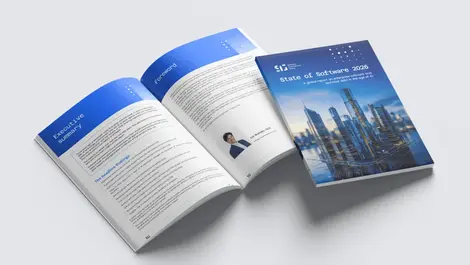
Enterprise teams using AI coding tools may face higher technical debt, security gaps and costs, according to new SIG research.
Enterprises using Spring will get faster access to validated fixes as Broadcom responds to a 1700% surge in monthly security advisories.
Enterprise teams are getting a single control plane to track agent sprawl, tighten permissions and curb AI spending as autonomous systems spread.
Connected cars face a widening attack surface as PCA flags 265 new flaws in the first quarter, with most exploitable without specialist tools.
Older Liquibase Community users can now check release-by-release vulnerabilities in a free public library covering Docker images and binaries.
AI-generated code is widening security gaps, with most organisations still shipping vulnerable software and CISOs under pressure to delay fixes.
Nearly half of businesses have paused or scaled back AI projects as weak cost tracking leaves returns unproven and security gaps widen.
The province found hidden security flaws in public sector systems in hours, a task officials say could have taken a manual review 6.5 years.
Researchers can now earn up to USD $6,000 for exposing flaws in Agoda's core web services, APIs and mobile app via HackerOne.
.webp)