Data sovereignty stories
Indian organisations get a local administrative data option as the Mumbai deployment keeps policies, logs and metadata inside the country.
Public sector and critical infrastructure operators will gain more control over sensitive systems as Cisco broadens on-premises support across EMEA.
Shorter attack windows are pushing cloud teams towards automated defence, as Sysdig says AI-driven threats now outpace manual response.
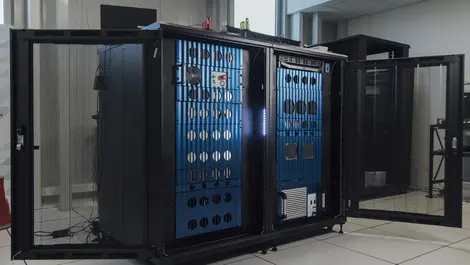
Asia-Pacific users can now test quantum workloads remotely on a 12-qubit photonic machine, billed by the second with no commitment.
The deal gives LogicMonitor wider reach in Australia and New Zealand as it seeks customers for observability tools without building large local teams.
Companies face tougher, more fragmented compliance as governments tie cyber rules to national security, AI use and digital sovereignty.
Government and defence users get faster failover and more automation as VQ Conference Manager 4.8 adds tighter controls for sensitive conferencing.
Boards are being pressed to oversee AI risks and pay-offs as nearly three-quarters are judged to have only limited expertise.
Executives are increasingly treating sovereignty as an operational risk, with 83% saying concerns have risen over the past year, Kyndryl said.
Local firms and agencies are using Microsoft’s AI and cloud tools to lift productivity, as the company’s NZ impact reaches NZ$9.4 billion in FY25.
The tie-up gives developers broader regional access to blockchain tools as cost, latency and compliance pressures reshape Web3 infrastructure choices.
The hire signals Kinetic IT's push into sovereign digital services and AI as it seeks more government and critical infrastructure work.
The grant lets the London startup train an air-gapped coding model on UK infrastructure, bolstering supply for defence and other sensitive sectors.
The new fund is intended to boost growth while giving the UK more control over data, chips and AI systems used by public services.
New governance rules could shape procurement and digital projects, as organisations are urged to protect Māori data as taonga.
Enterprises will be able to move data and run workloads privately between Oracle Cloud Infrastructure and AWS without using the public internet.
Organisers say the two-day programme will tackle deepfake hiring, data sovereignty and the mounting risks of AI-driven cyber attacks.
Stricter data and AI rules are pushing enterprises to demand more control over where workloads run and how they are governed.
European firms are losing nearly EUR 1 million a year to idle cloud capacity just as AI demand drives hosting costs up 12%.
Local delivery is helping Brennan lift services revenue by about 20 per cent as government and critical infrastructure buyers seek onshore cyber control.